Harm Reduction Frameworks Linking Loyalty Tiers, Rapid Fund Transfers, and Mobile Accessibility in Virtual Slots and Live Dealer Platforms
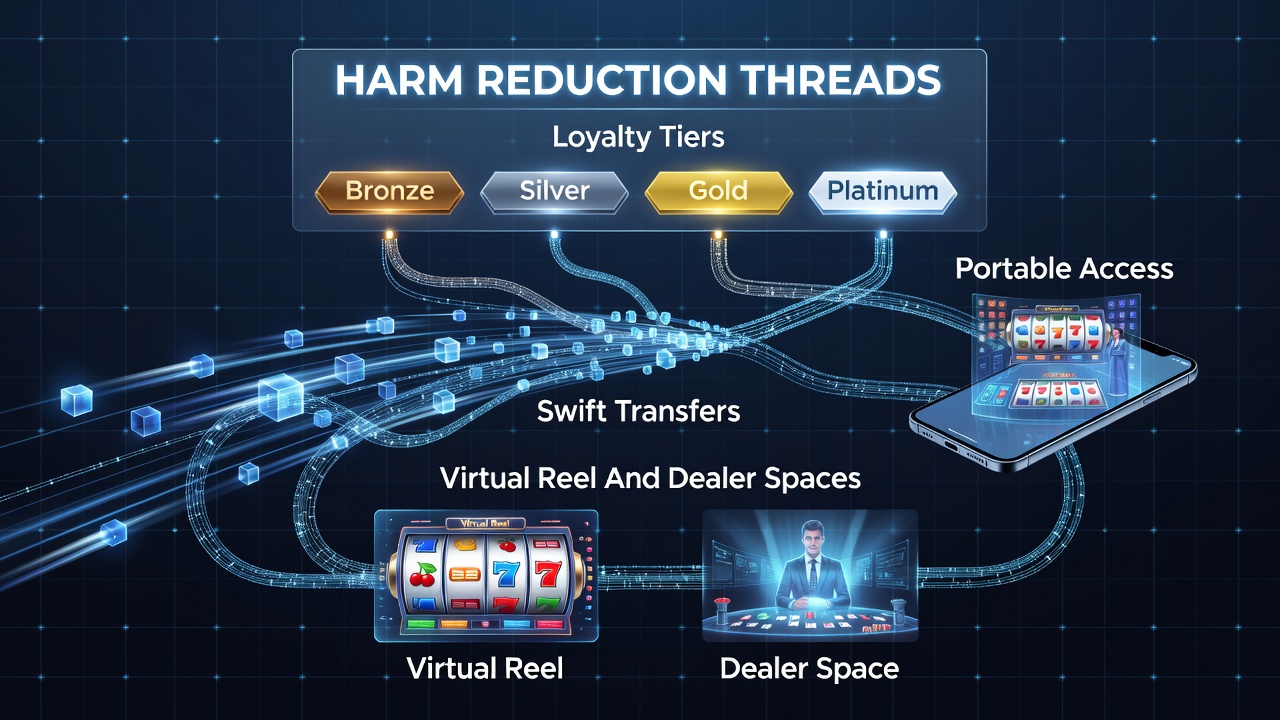
Operators across digital gaming platforms continue to embed harm reduction protocols directly into loyalty structures, payment processing systems, and mobile interfaces that support both virtual reel games and live dealer sessions. These connections allow users to maintain account controls while participating in reward schemes that track play patterns and offer tiered benefits based on activity levels. Studies from institutions such as the Australian Gambling Research Centre show how loyalty data feeds into algorithms that flag extended sessions or deposit patterns, prompting interventions like temporary limits or personalized messages.
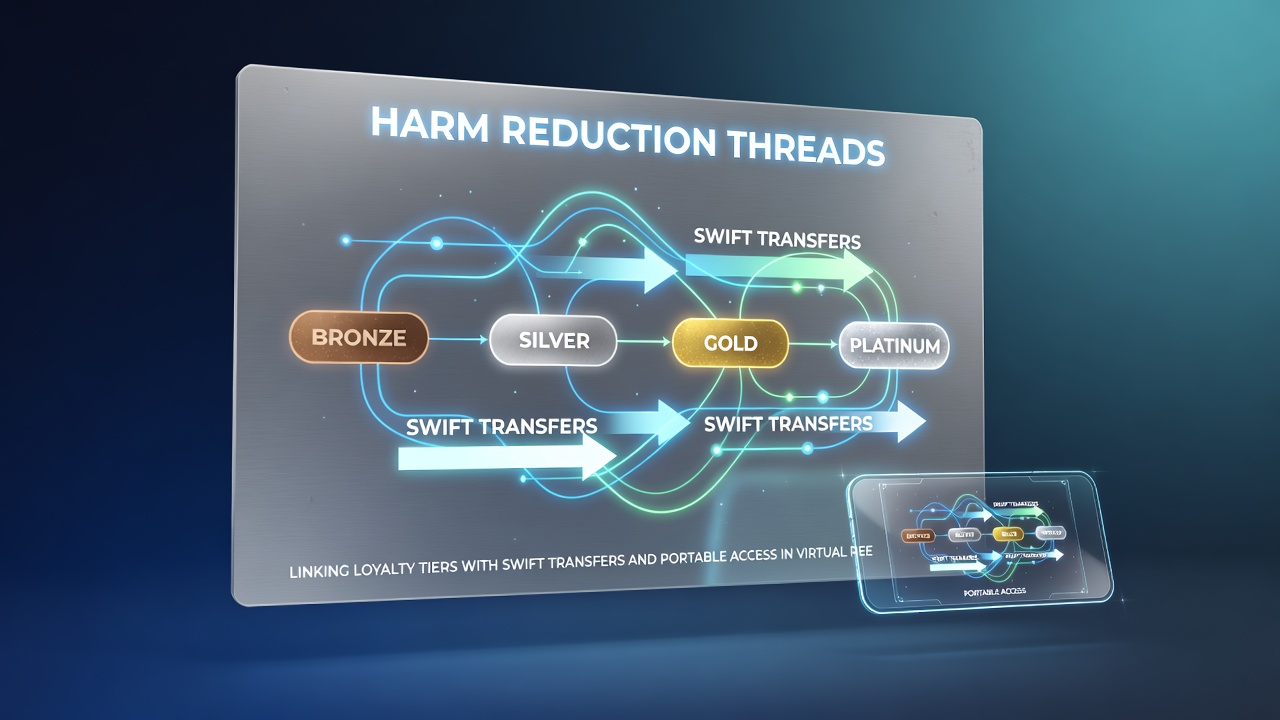
Swift transfers form another core thread because they reduce friction in both deposits and withdrawals, which in turn supports clearer financial boundaries for participants. When funds move instantly between accounts and gaming wallets, users gain immediate visibility into balances without waiting periods that once obscured spending totals. Research indicates that platforms implementing same-day payout options alongside loyalty tracking report higher rates of users setting voluntary deposit caps, since the transparency of quick movements makes overspending easier to detect in real time.
Loyalty Tiers as Monitoring Tools
Loyalty programs in these spaces often assign levels based on consistent play rather than raw volume alone, creating entry points for responsible gaming features at each stage. Participants at lower tiers receive basic access to session reminders and reality checks, while higher tiers unlock enhanced tools such as spending summaries tied directly to reward redemptions. Data shows that when loyalty benefits require verification of responsible play metrics, users engage more frequently with limit-setting options before advancing further.
Portable access through mobile applications extends these controls beyond desktop environments, enabling on-the-go adjustments to loyalty preferences or transfer authorizations. Applications now integrate biometric verification with loyalty dashboards so that changes to spending thresholds or self-exclusion periods can occur without delays associated with desktop logins. Observers note that this mobility helps users apply harm reduction steps during travel or irregular hours when desktop access might not be available.
Swift Transfers and Their Role in Controlled Play
Instant payment rails connect loyalty accounts to banking partners in ways that allow immediate reflection of transactions in user profiles. This linkage means that any deposit exceeding a preset loyalty-linked threshold triggers an automatic review flag, notifying the account holder before the funds reach the gaming balance. Evidence from Canadian research centers demonstrates that such automated checks reduce the incidence of large unplanned deposits when combined with visible loyalty progress indicators.
Live dealer environments benefit particularly because session lengths vary and quick withdrawal options let participants exit with winnings without extended processing that might encourage continued play. Virtual reel games similarly incorporate these transfers so that jackpot or bonus wins appear promptly, reinforcing the connection between loyalty rewards and actual financial outcomes rather than abstract point accumulation.
Mobile Access Expanding Reach of Protections
Portable platforms deliver harm reduction features through push notifications that align with loyalty milestones, such as alerts when a user approaches a time-based reward threshold. These notifications often include direct links to adjust settings or review recent transfer history, keeping the protective elements visible during active sessions. Figures from European academic studies reveal increased uptake of voluntary breaks when mobile interfaces present these options alongside loyalty progress bars.
Integration across slots and live dealer sections ensures that the same loyalty tier and transfer controls apply uniformly, preventing users from bypassing limits by switching game types. Mobile wallets further support this uniformity by allowing single authentication points for both deposit and withdrawal functions tied to loyalty accounts. As standards evolve toward November 2026, several jurisdictions plan to require explicit documentation of how these linked systems operate, with emphasis on data privacy during cross-platform transfers.
Case Examples from Current Implementations
One platform in the Asia-Pacific region introduced loyalty tiers that automatically adjust transfer speeds based on user-selected risk profiles, slowing instant deposits for accounts showing rapid balance fluctuations. Another operator in North America linked mobile access logs with loyalty redemptions so that reward claims require confirmation of recent self-assessment surveys. These examples illustrate how the threads between loyalty, transfers, and mobility create multiple intervention points without interrupting core gameplay flow.
Industry reports from the National Council on Problem Gambling highlight that unified systems reduce the need for separate responsible gaming portals, since controls appear within the same interfaces users already navigate for rewards and payments. This consolidation appears to improve compliance rates among participants who might otherwise overlook standalone tools.
Conclusion
The connections between harm reduction measures, loyalty structures, rapid fund movements, and mobile accessibility continue to develop across virtual reel and live dealer offerings. Platforms that align these elements provide users with consistent oversight tools that operate within familiar reward and access frameworks. Ongoing data collection through these integrated systems supplies operators and regulators with clearer pictures of play behaviors, supporting refinements scheduled for implementation phases around late 2026. Such developments maintain focus on functional linkages rather than isolated features, allowing protections to scale alongside evolving game formats and payment technologies.