
Player Advancement Through Linked Rewards: Transaction Ties to Safety Checkpoints in Mobile Structures
Player progression in mobile gaming environments follows defined routes where deposit selections connect directly to safety mechanisms embedded in reward frameworks, creating structured paths that advance accounts while enforcing checkpoints at each stage. Data from regulatory tracking shows these systems activate when users initiate transactions, routing choices through verification layers that assess limits before releasing portable bonuses or loyalty increments. Observers note the pattern holds across platforms that synchronize payment gateways with account safeguards, ensuring every step in the advancement chain includes an automatic review point.
Transaction Pathways and Embedded Controls
Studies indicate that transaction routes begin with user-selected deposit methods, which then feed into portable reward structures that carry safety flags forward. A single payment triggers an immediate scan against preset thresholds, pausing the reward allocation until the checkpoint clears. Researchers discovered this linkage reduces unchecked progression by routing the transaction data through mobile verification protocols that reference prior activity logs. The process continues as rewards move with the player across sessions, maintaining the checkpoint history without requiring separate logins or resets.
Those who've examined these frameworks point out how mobile structures allow rewards to transfer between devices while carrying the safety data along. When a user selects a new payment option, the system cross-checks against the accumulated checkpoint record before advancing the next tier. This creates a continuous loop where transaction history and reward eligibility stay bound together through the portable framework.
Mobile Reward Portability and Checkpoint Integration
Figures reveal that portable reward systems operate by storing progression data locally on devices yet syncing safety checkpoints with central servers during each transaction. Experts have observed that when players move rewards to new sessions, the embedded controls activate automatically based on the most recent deposit choice. This integration means a high-value transaction can trigger additional verification steps that adjust the pace of advancement without halting the overall route entirely.
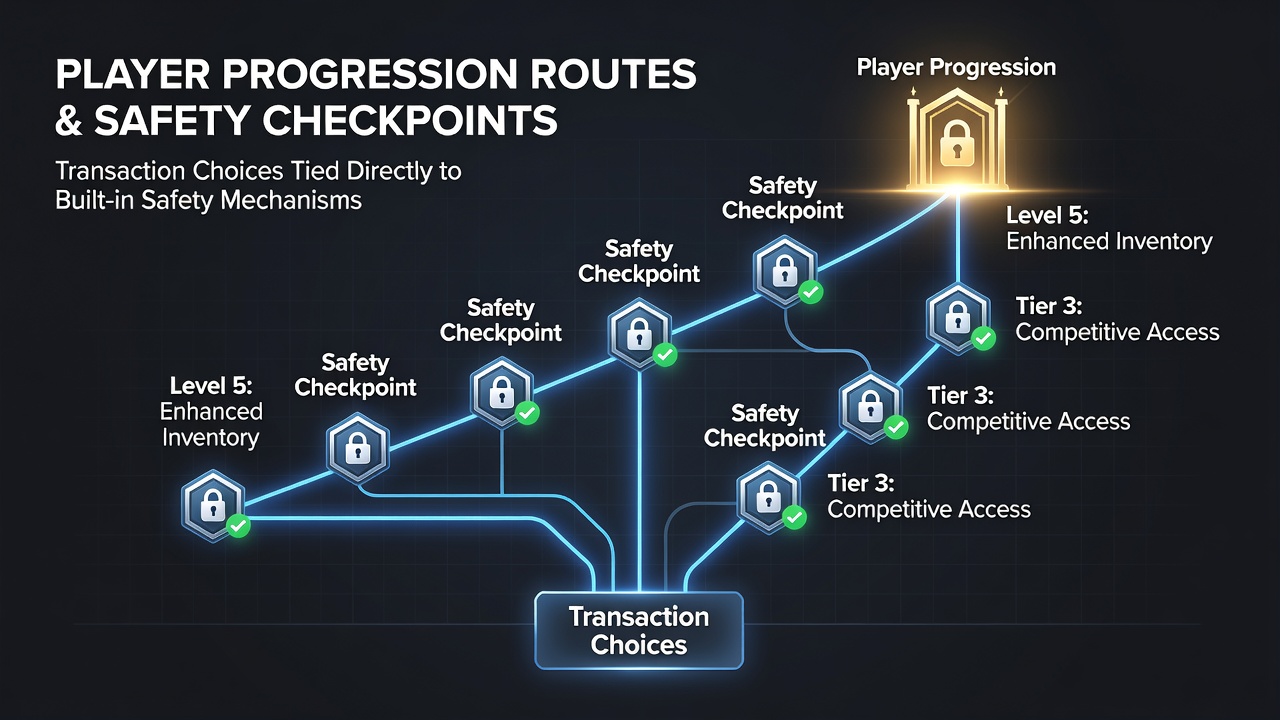
What's notable is the way these checkpoints scale with reward size. Smaller deposits pass through lighter reviews while larger ones engage fuller safety protocols, all within the same portable structure. Industry reports from the National Council on Problem Gambling document similar patterns in North American mobile platforms, where transaction-linked controls maintain consistency across reward tiers. The result keeps progression routes intact yet monitored at every payment junction.
Advancement Routes Across Reward Tiers
Research from the Australian Institute of Family Studies shows how reward tiers advance only after transaction checkpoints confirm compliance with personal limits. Players reach higher portable incentive levels through repeated deposits that each satisfy the built-in safety sequence. The system records each successful passage, allowing the reward structure to expand while preserving the safety record for future use on any connected device.
One study revealed that these linked routes produce measurable shifts in account behavior when checkpoints activate mid-progression. Users who encounter a pause at a safety layer often adjust their next transaction size or timing, which then influences the speed of subsequent reward unlocks. The portable nature of the framework ensures this adjustment travels with the account, maintaining continuity whether the player switches phones or operating systems.
Regulatory Context and Future Developments
Policy updates scheduled for November 2026 in several jurisdictions will require additional documentation of how transaction choices feed into safety checkpoints within mobile reward systems. Current data indicates platforms are already testing expanded checkpoint triggers that respond to deposit frequency as well as amount. These adjustments aim to keep advancement routes aligned with evolving standards while preserving the portability that allows rewards to follow users across sessions.
Academic papers on digital gaming infrastructure note the technical backbone involves real-time data exchange between payment processors and safety modules. When a transaction completes, the checkpoint evaluates risk markers before appending the new reward tier to the portable profile. This method keeps the progression path both flexible for users and anchored by consistent safety rules.
Conclusion
The connection between transaction choices and safety checkpoints inside portable reward structures forms the core of modern player advancement routes in mobile gaming. Evidence from multiple regulatory regions demonstrates that these integrated systems maintain progression continuity while enforcing verification at every payment stage. As platforms prepare for 2026 policy shifts, the linkage between deposits and embedded protections continues to shape how rewards advance alongside player accounts across devices.